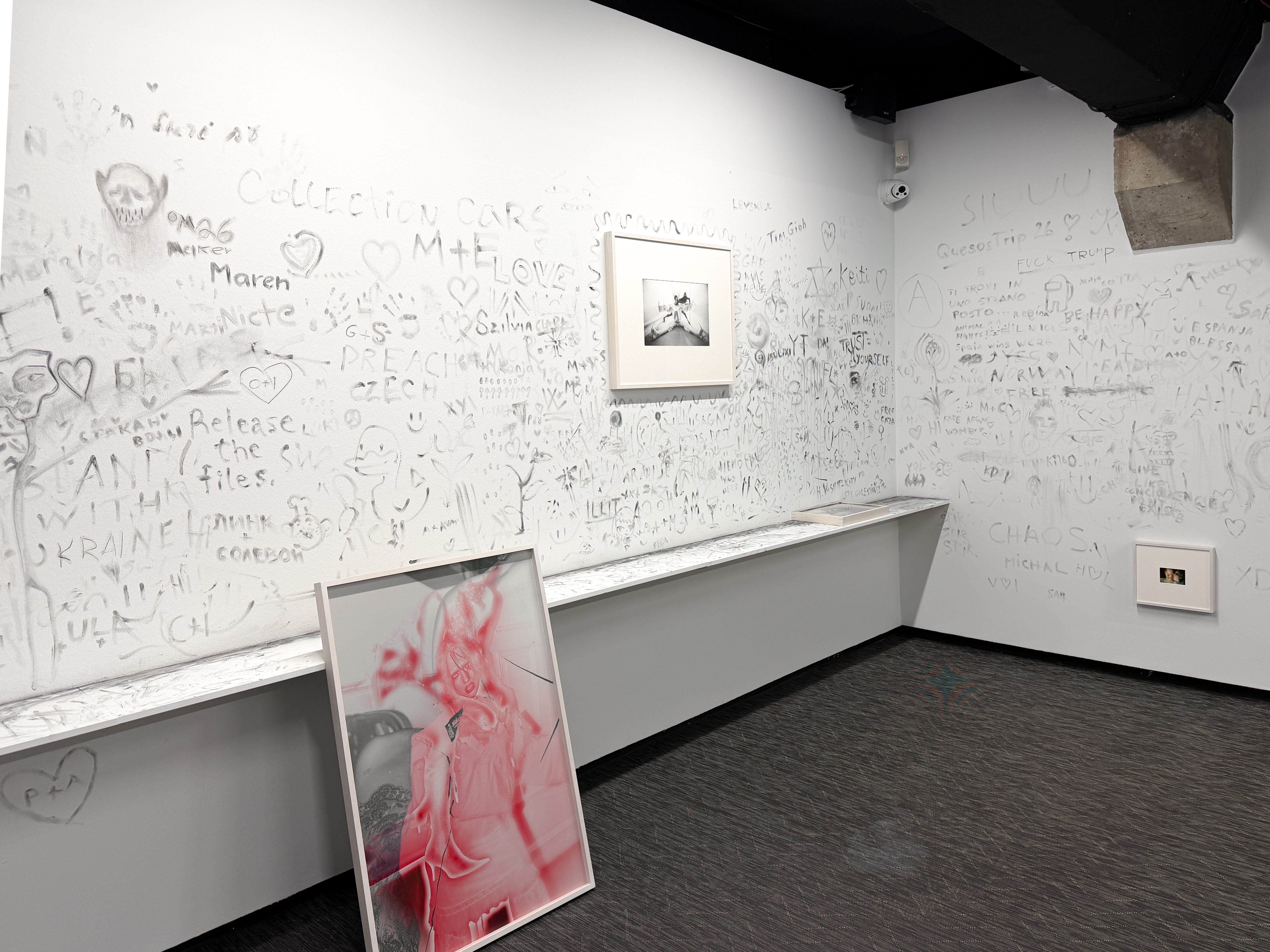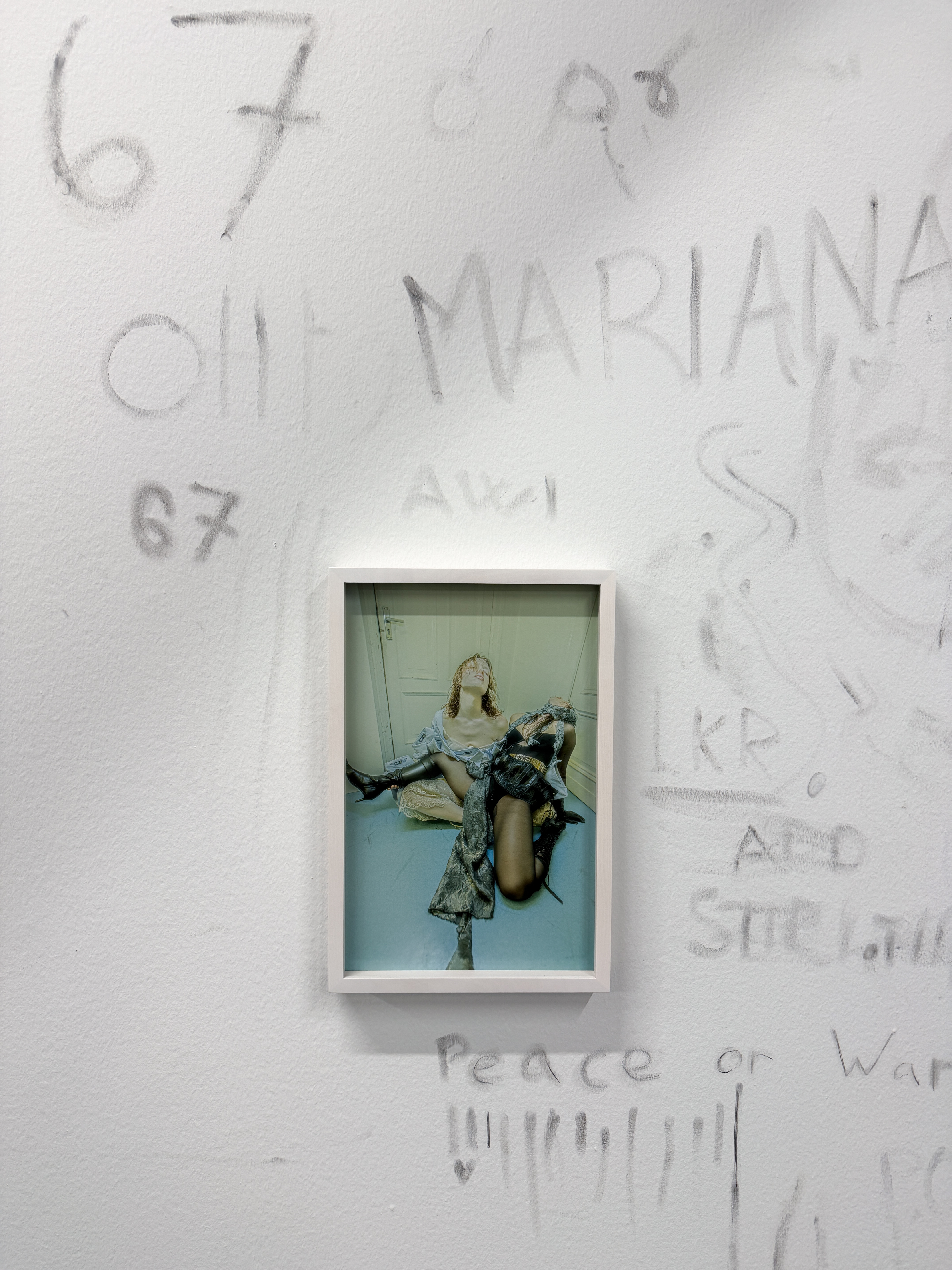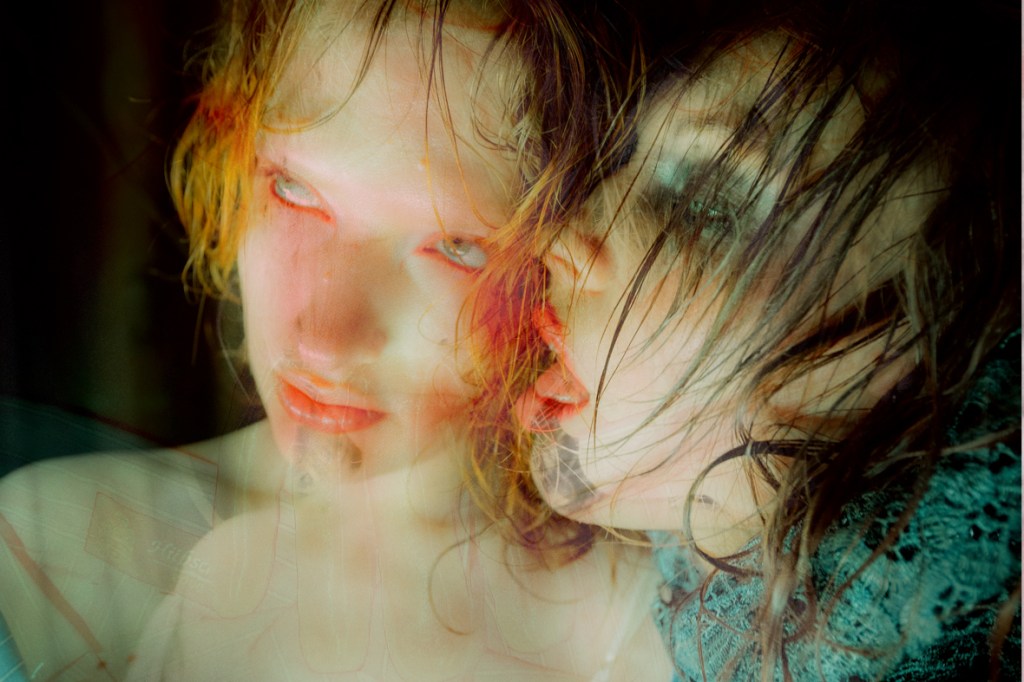
“24/7 environment” is photo project created in collaboration by artists Anna Ansone, Krišjānis Elviks, Annemarija Gulbe, ft. Anna Marija Puķe.
On view at Fotografiska Tallinn, Estonia. Emerging Artists: Baltics and Finland. 8.05. – 1.11.2026.
Curator – Kulla Laas
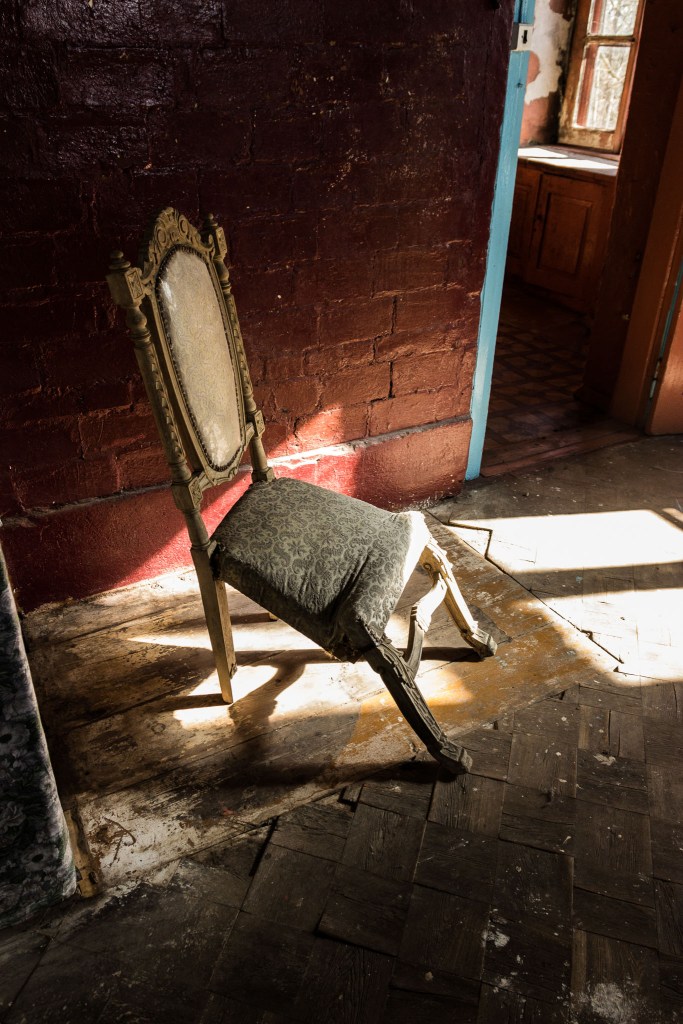
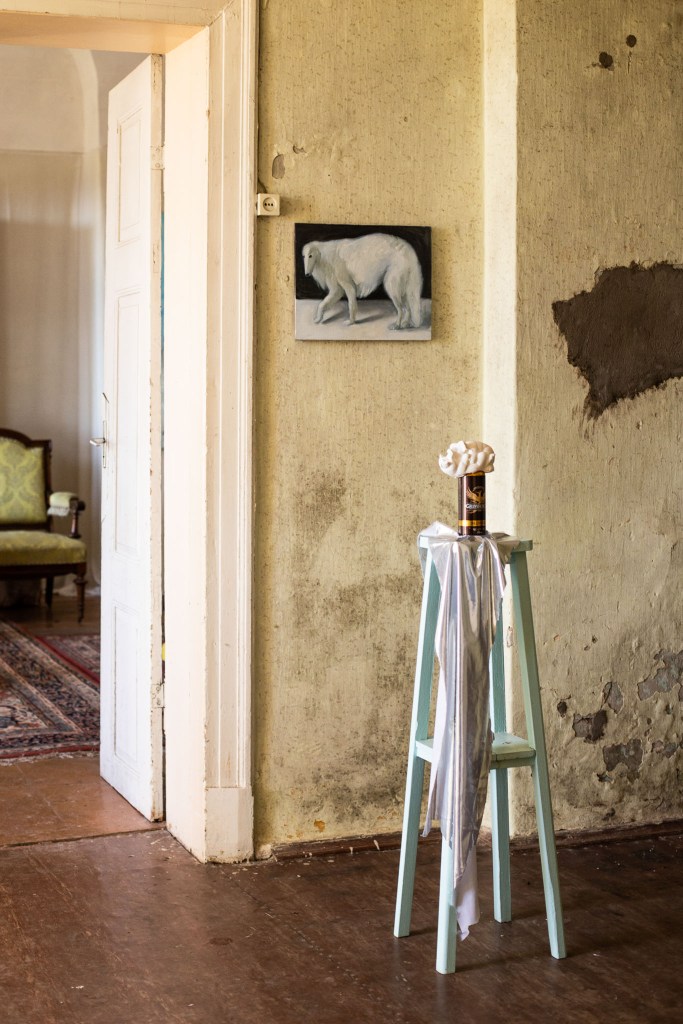

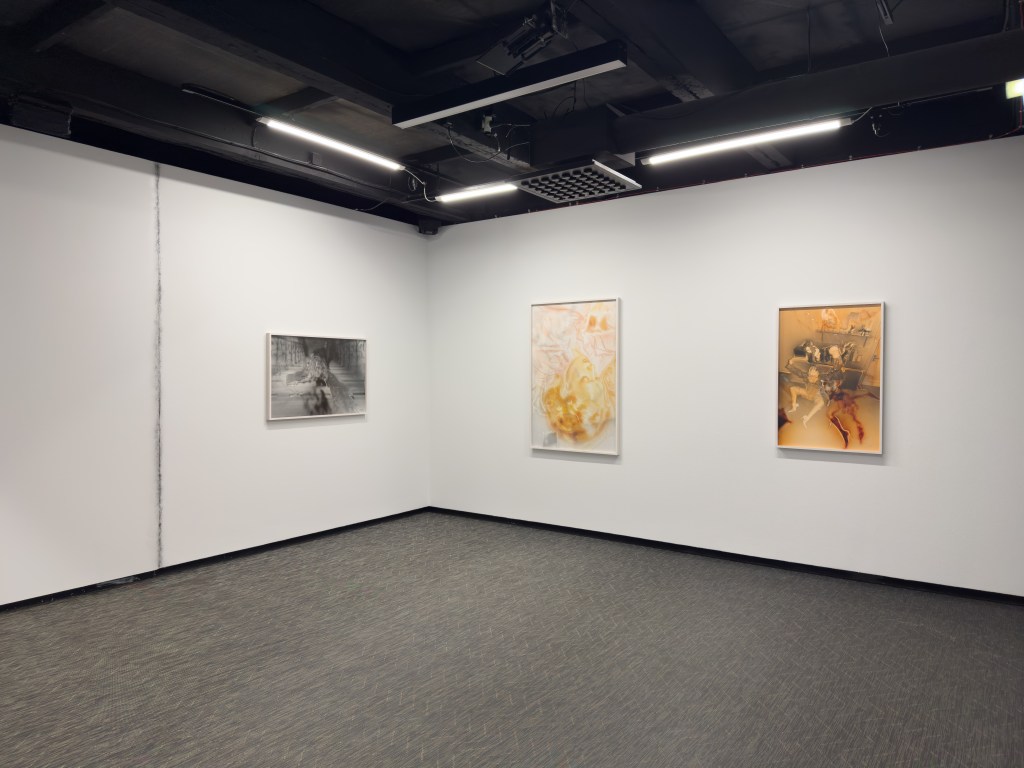
By focusing on insomnia, the work reveals a close connection between human physiological fragility and the rushing produced by capitalism. As the American art theorist Jonathan Crary notes:
“24/7 is a time of indifference, against which the fragility of human life is increasingly inadequate and within which sleep has no necessity or inevitability”.
This regime renders sleep “unnecessary” or even an obstacle, normalizing uninterrupted and limitless work. Its dynamics generate tension between the natural human need for rest and the system’s demand for constant productivity, emphasizing that capitalism not only compresses time but also erodes human
experience itself.
* Crary, Jonathan. 24/7: Late Capitalism and the Ends of Sleep. Verso Books, 2013.
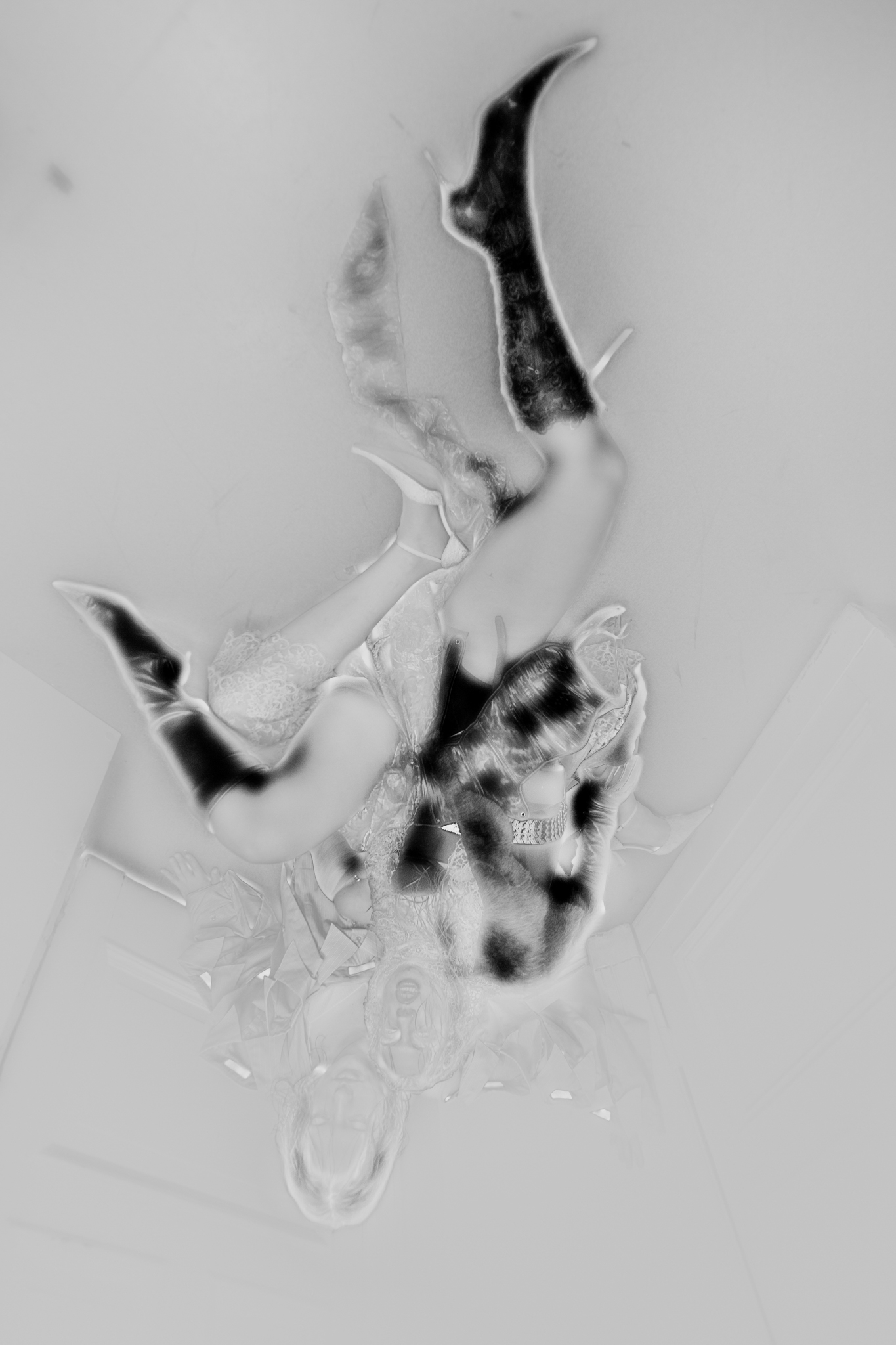
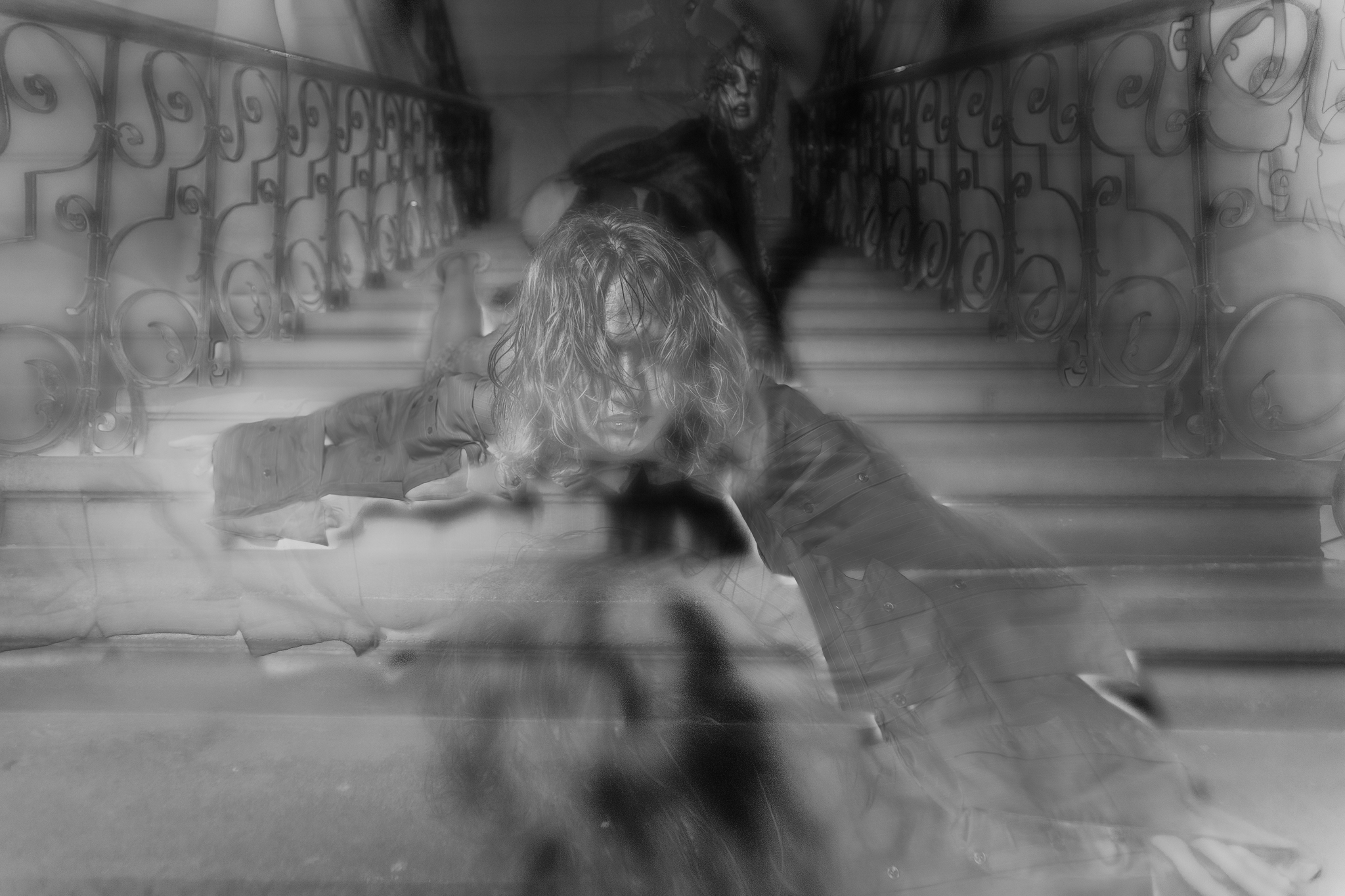
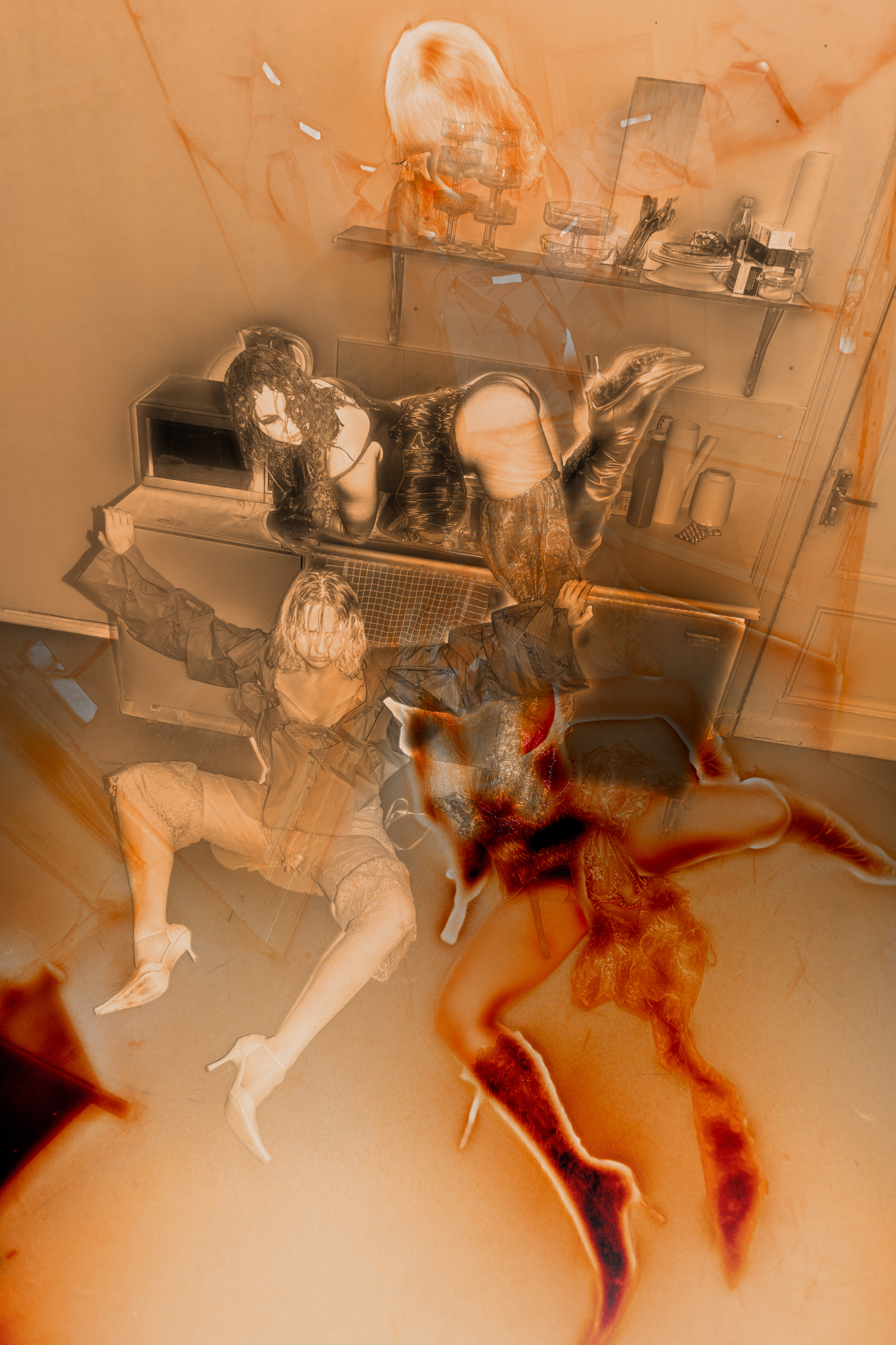
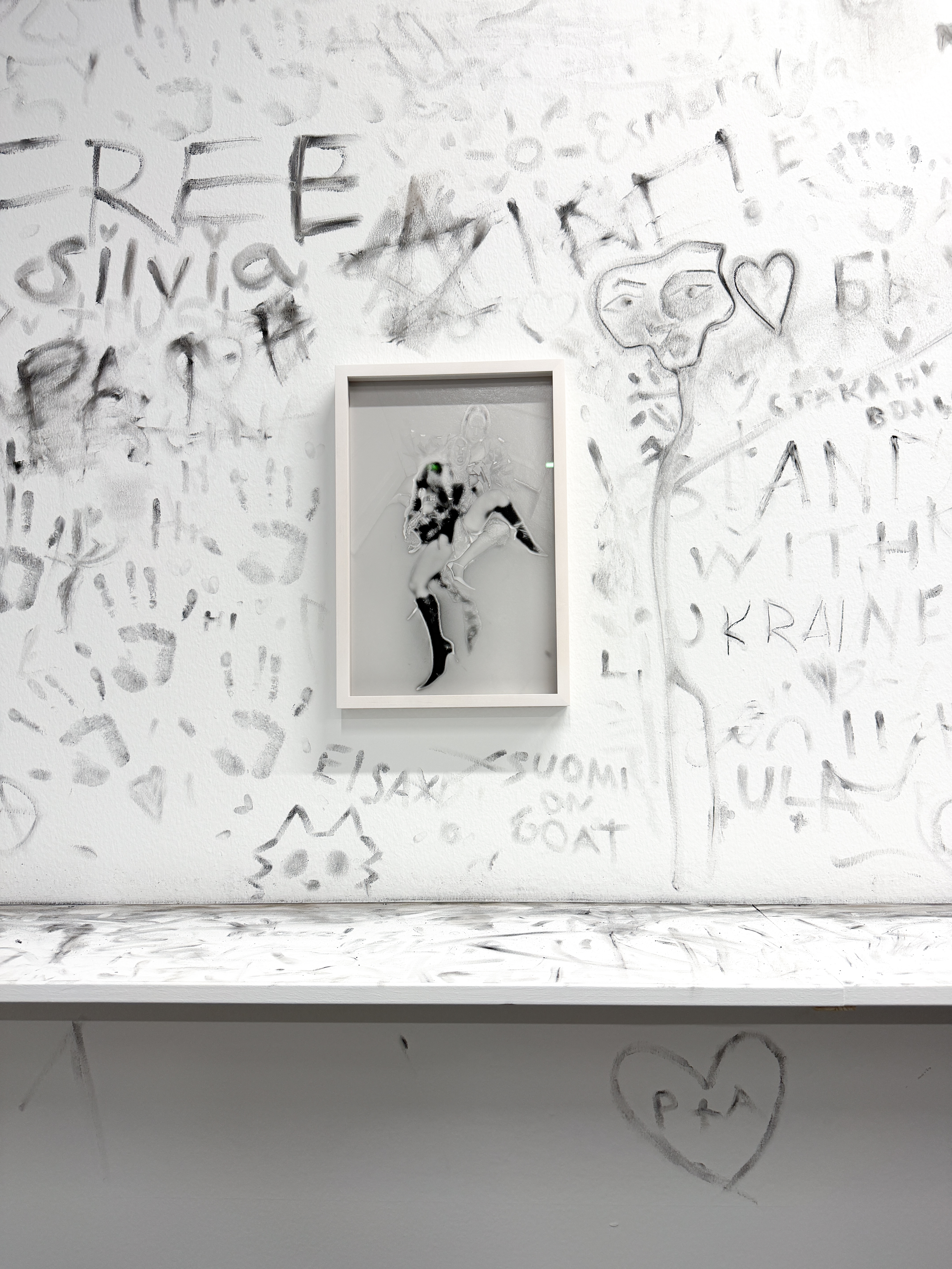
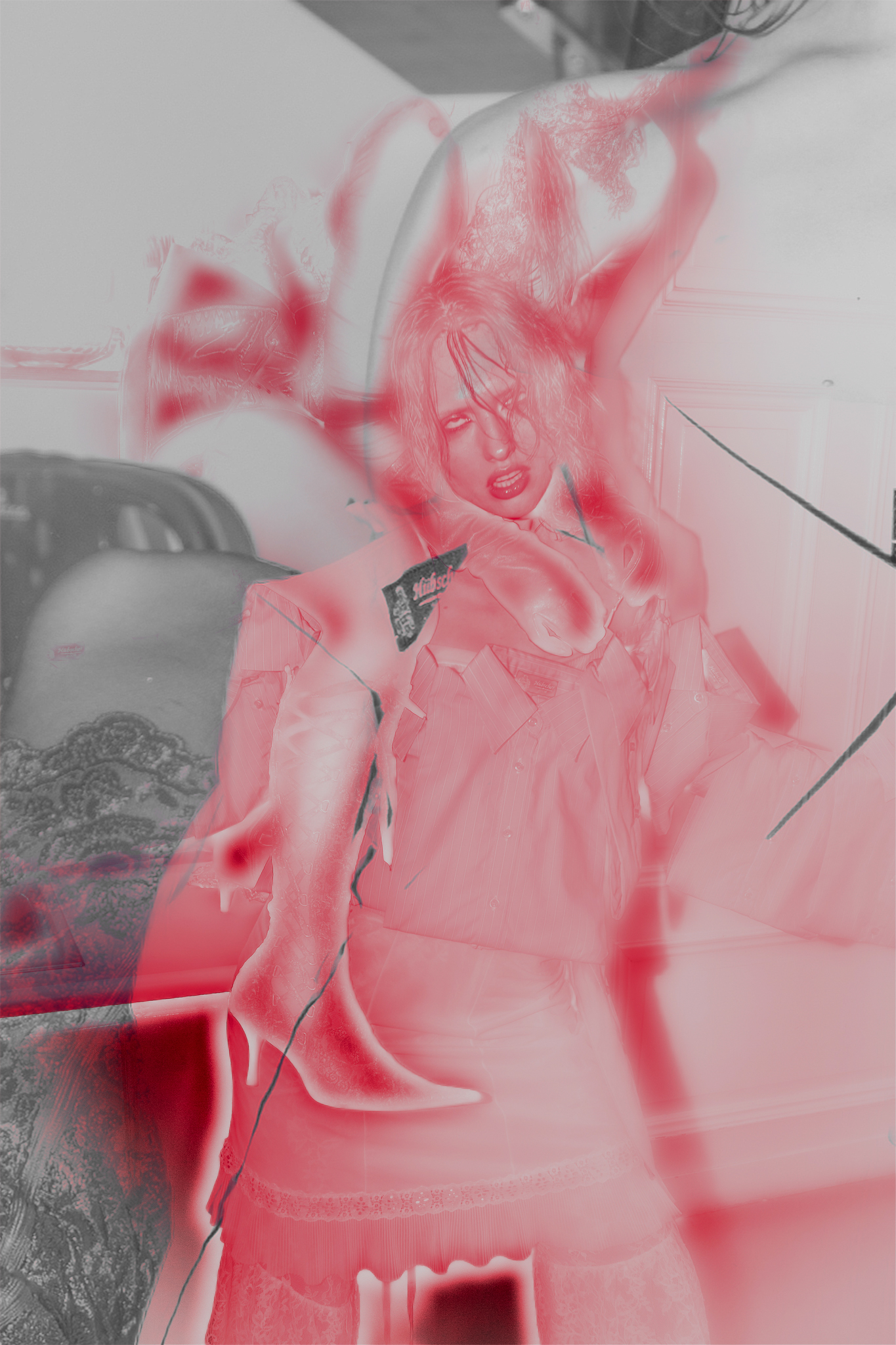
A collaborative project where artists stage playful scenes that explore the experiences of a person tormented by insomnia. In this case it is played out by two characters: Princess and Lietuvēns (a sleep creature from Latvian mythology). Through performance, photography and editing, artists engage the viewer in a dreamlike atmosphere to follow the relationship of two where flirtatious moments meet disfunctionality.
In the context of the contemporary cost-of-living crisis, the sacrifice of sleep has become normalized. As art critic and essayist Jonathan Crary states, “The denial of sleep is the violent dispossession of the self by external forces, the calculated shattering of an individual.” Although these conditions are external, the experience itself remains deeply internal. Individuals take this burden upon themselves, internalizing responsibility and slipping into self-shame for their perceived inability to function according to the demands of capitalism.
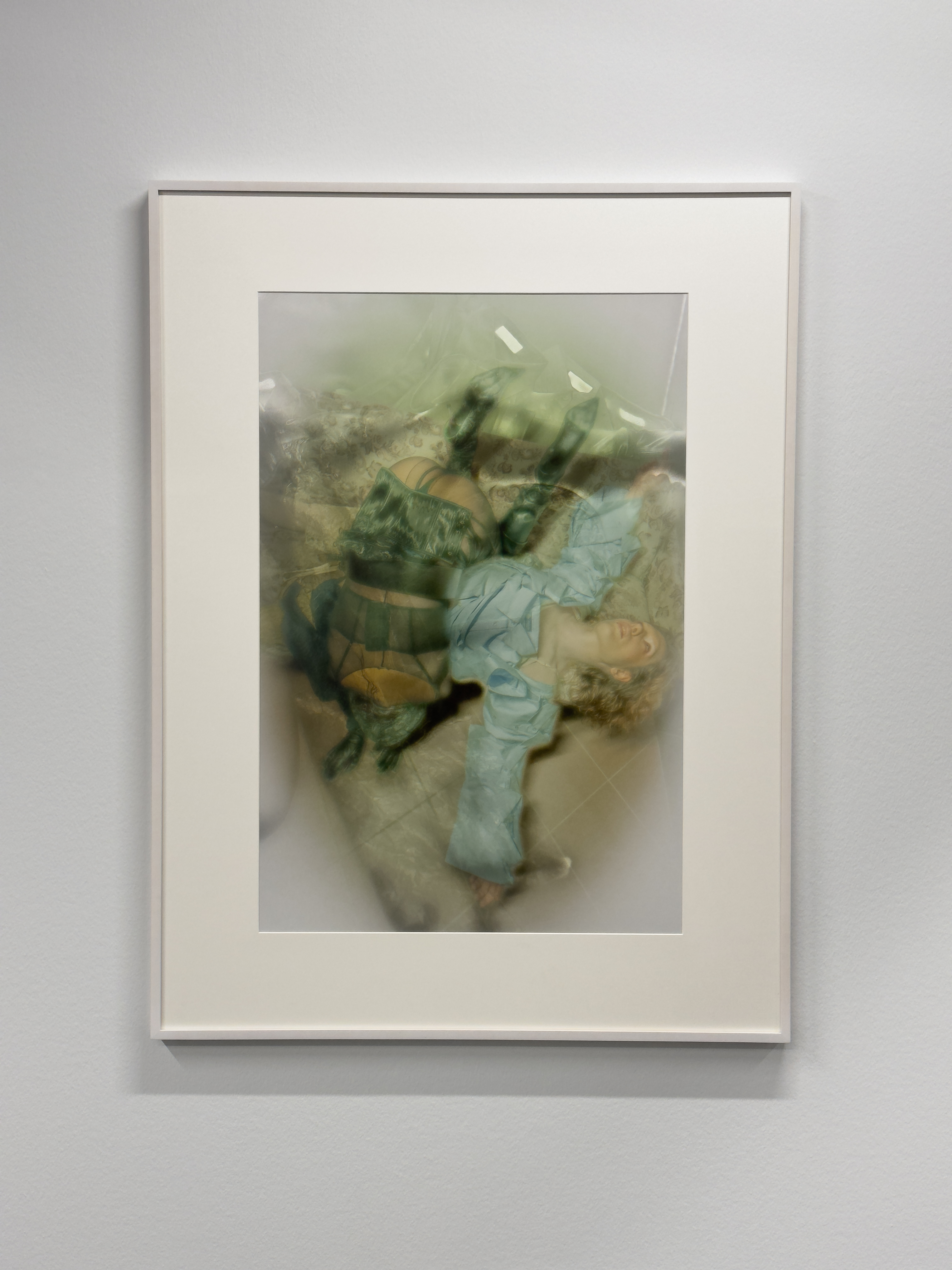
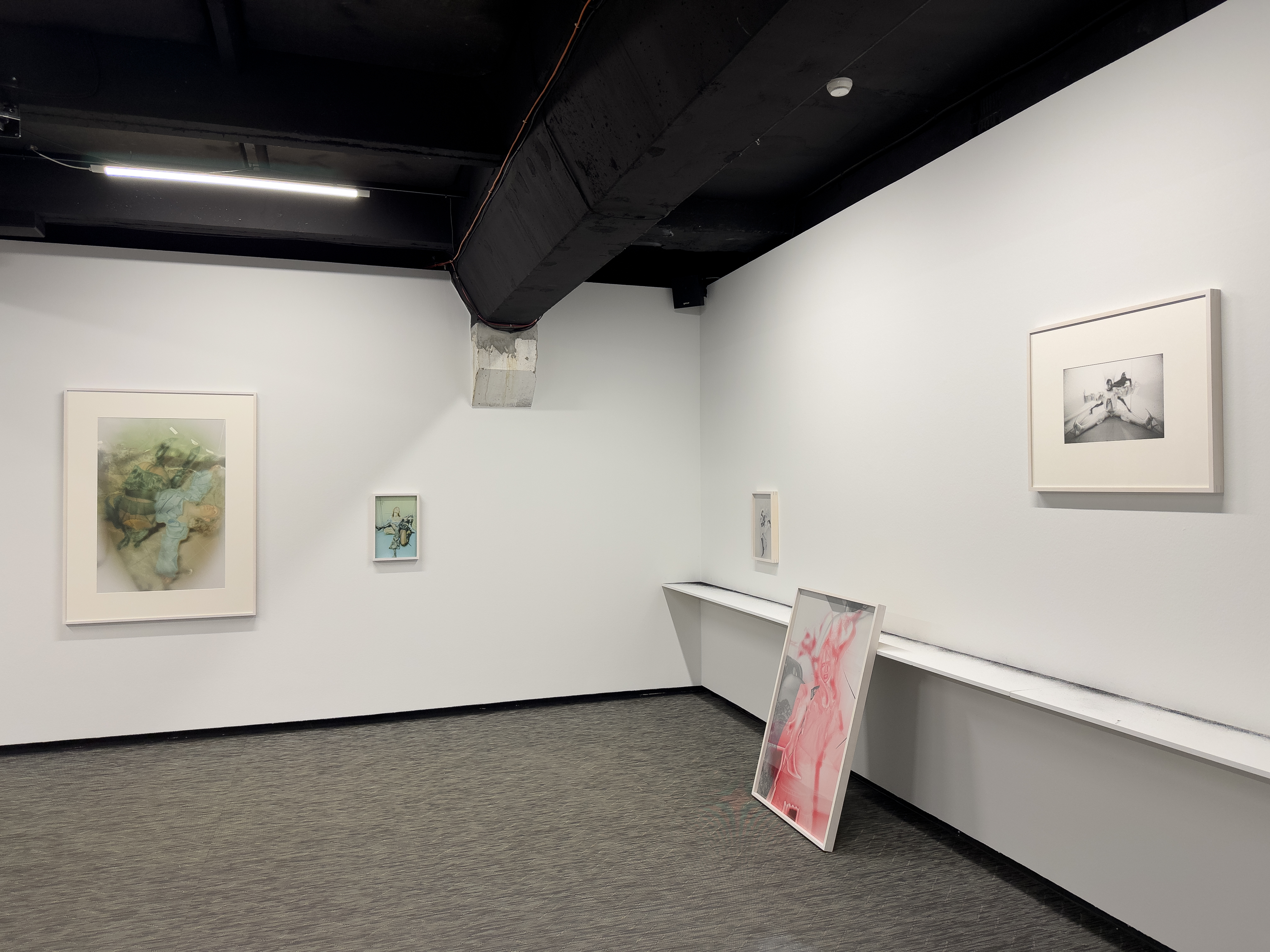
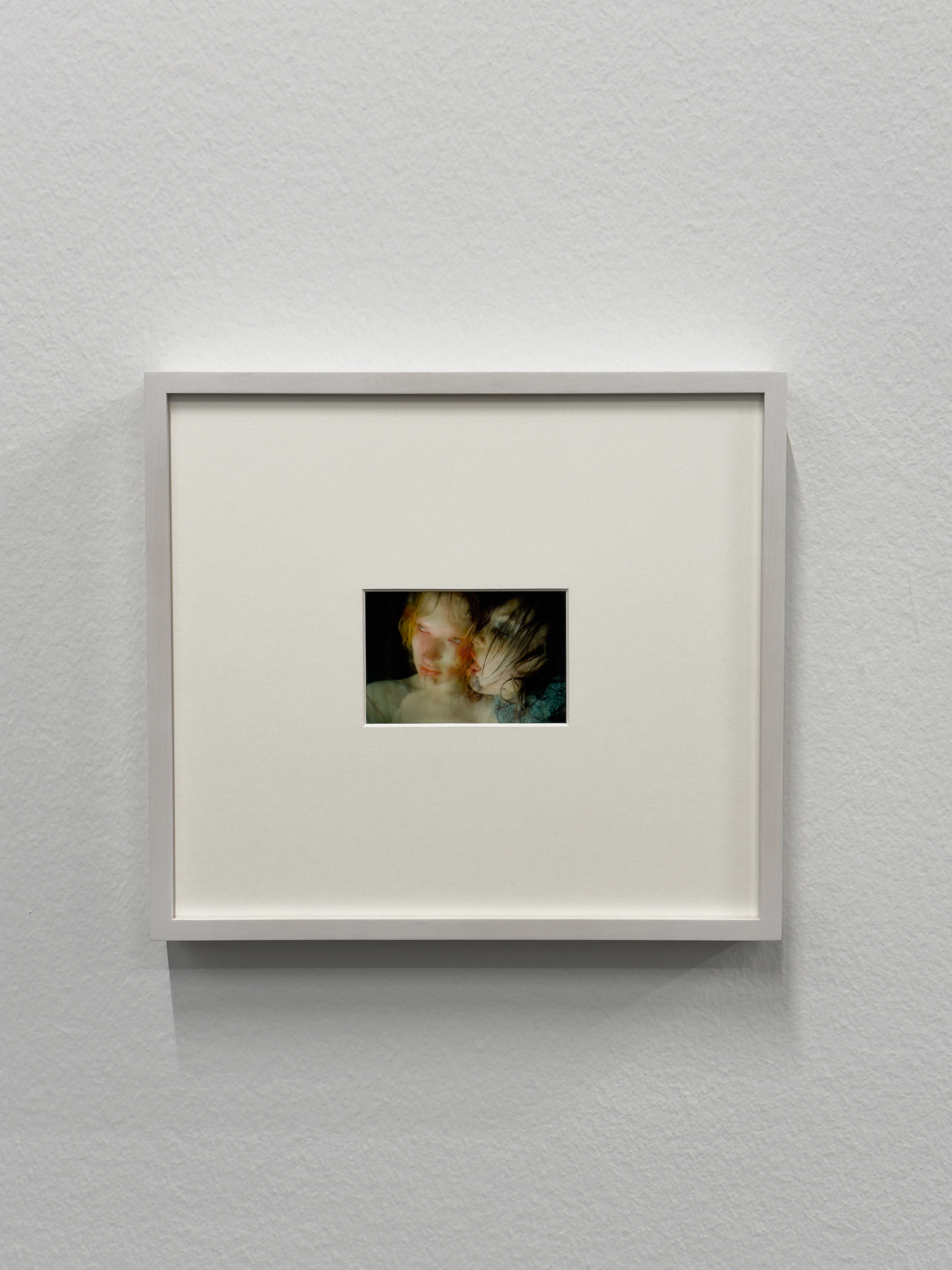
Recognizing the global nature of this condition, they examine how insomnia has been integrated into everyday life – whether it results from personal neglect and unhealthy living habits, or should instead be understood as a systemic issue, and whether an exit from this state of being is possible at all.
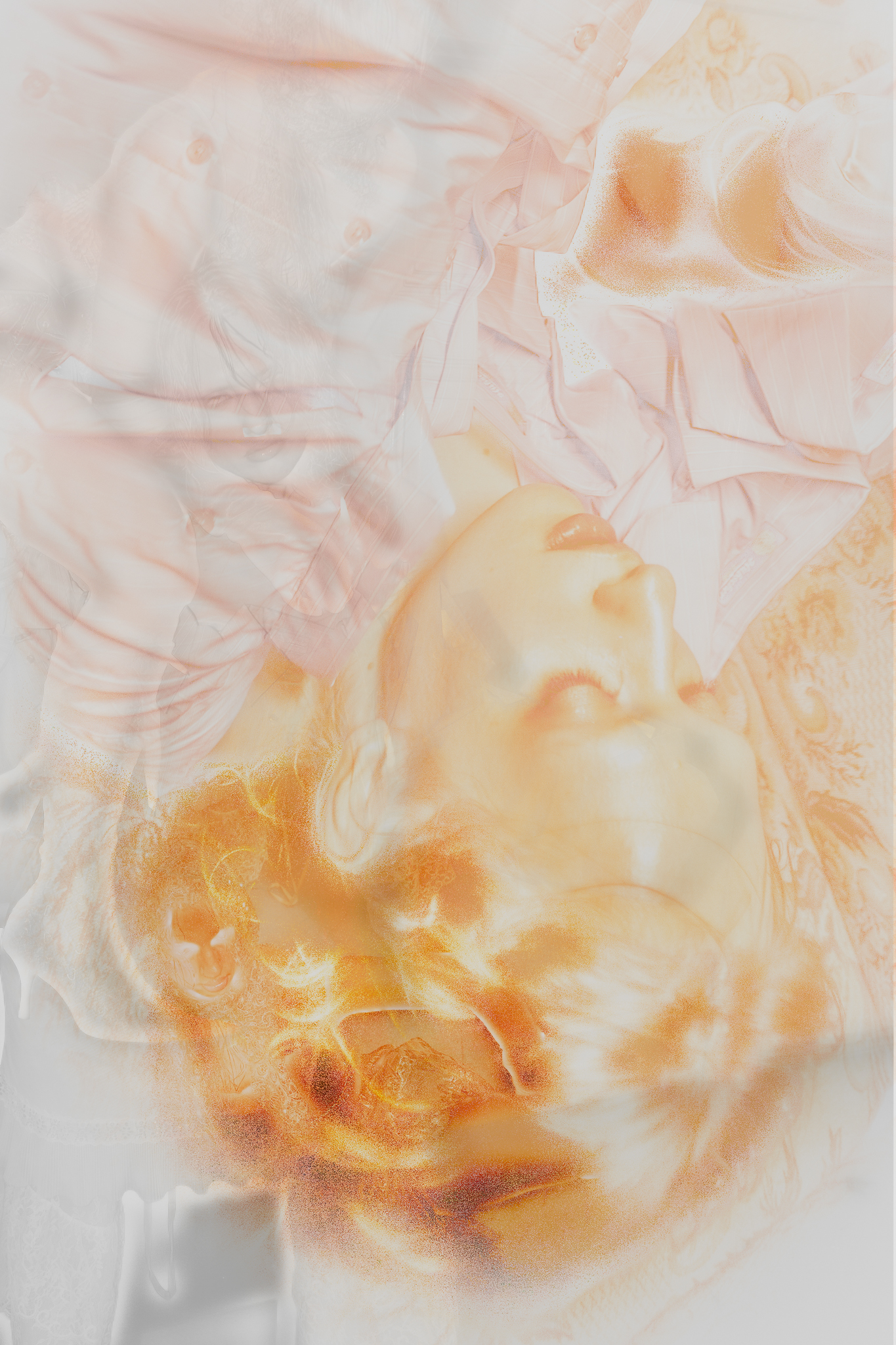
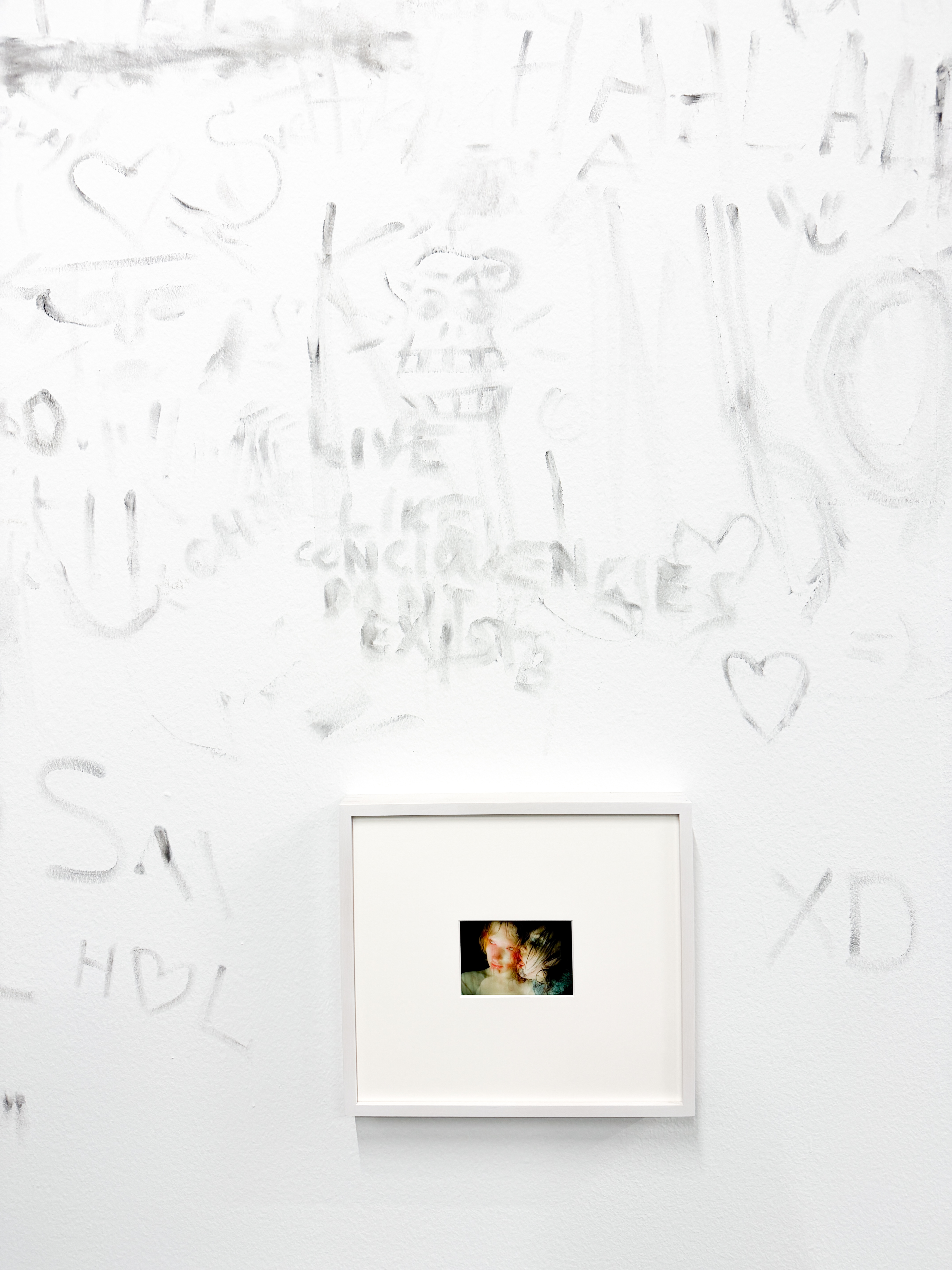
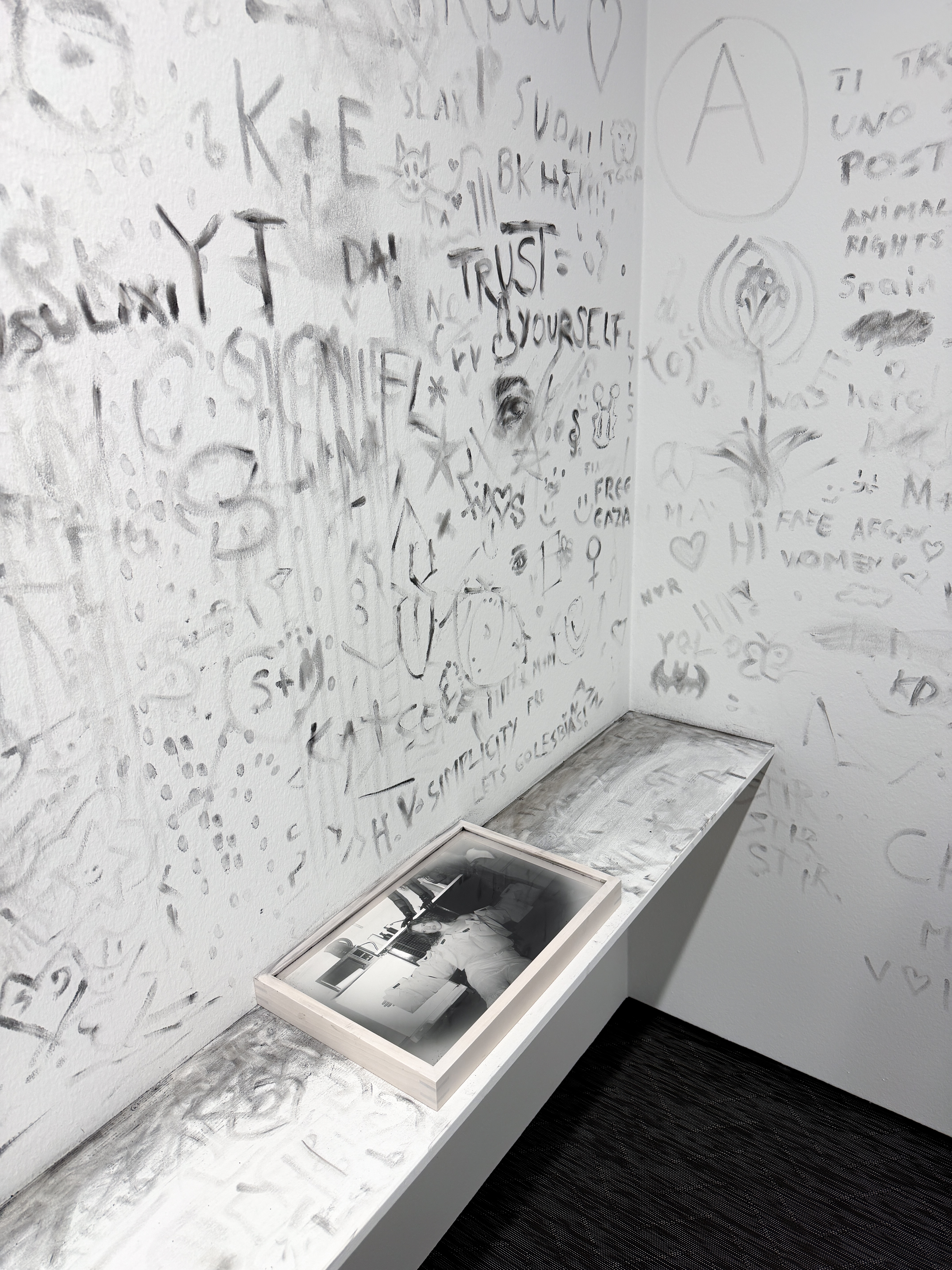
During the exhibition, an unexpected public response emerged: the crushed charcoal scattered throughout the installation prompted visitors to write and draw on the walls, expressing a range of opinions, contemporary slogans, or simply creating drawings.